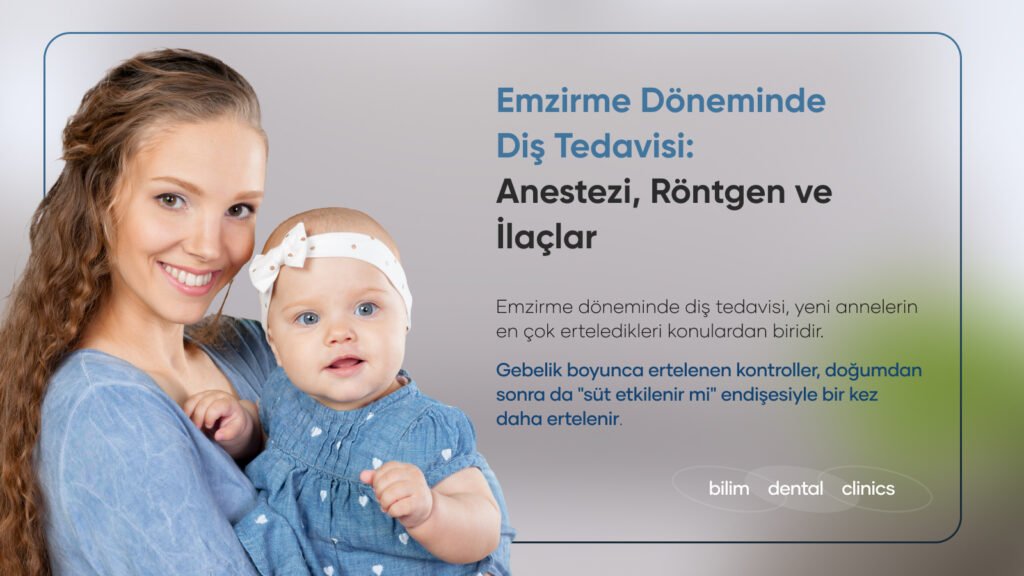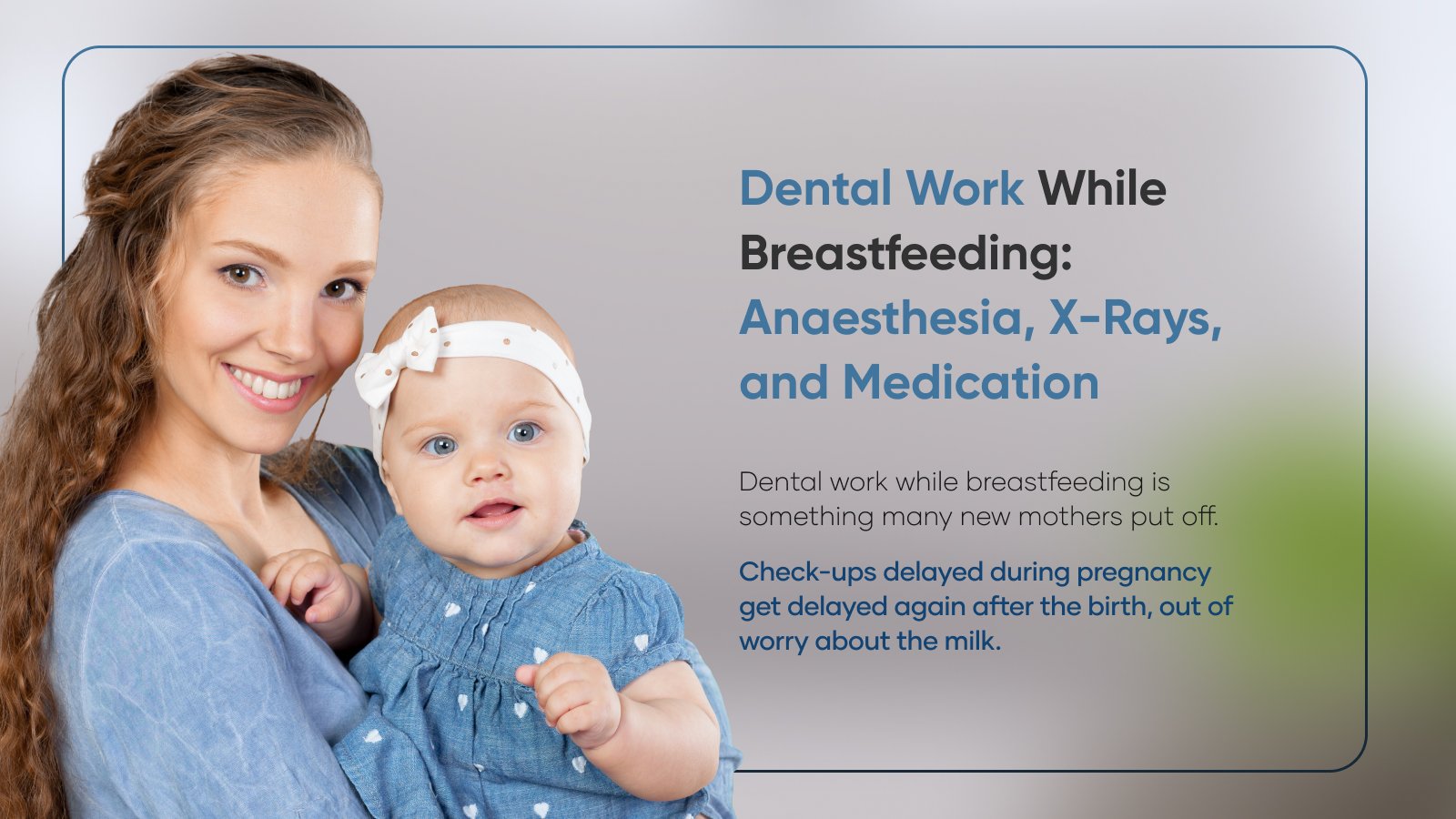
Dental work while breastfeeding is something many new mothers put off. Check-ups delayed during pregnancy get delayed again after the birth, out of worry about the milk. Meanwhile a small cavity can grow into something that needs a root canal, and mild gum inflammation can become lasting damage. The good news is that dental work …
Dental work while breastfeeding is something many new mothers put off. Check-ups delayed during pregnancy get delayed again after the birth, out of worry about the milk. Meanwhile a small cavity can grow into something that needs a root canal, and mild gum inflammation can become lasting damage.
The good news is that dental work while breastfeeding is usually far simpler than mothers fear: most dental procedures are compatible with breastfeeding. Local anaesthetic, dental x-rays, fillings, root canal treatment, and extractions can all be carried out safely with the right choice of medication and a few simple precautions. In most cases there is no need to interrupt feeding.
In this article, the dentists at Bilim Dental Clinic in Maltepe, Istanbul answer the questions nursing mothers ask most, explain the safety of commonly used medicines, and share practical tips for planning appointments. The information is general; always tell your dentist you are breastfeeding and check with your baby’s doctor where needed.
Why Dental Work While Breastfeeding Shouldn’t Be Postponed
Pregnancy and the months after birth are a sensitive time for oral health. Hormonal gum inflammation is common in pregnancy, and after the birth, sleep deprivation, frequent irregular meals, and lack of time for yourself make oral care slip. Problems that start in this period grow the longer treatment is delayed.
An untreated dental infection can mean pain, lost sleep, difficulty eating and, if it spreads, the need for stronger medication. Postponing treatment therefore does not necessarily protect the baby — it can expose mother and, indirectly, baby to greater risk. We cover oral health in pregnancy in our article on dental care during pregnancy.
Is Local Anaesthetic Safe When Breastfeeding?
Dental local anaesthetics such as lidocaine and articaine act where they are injected and only very small amounts reach the bloodstream. Even less passes into breast milk, and a baby’s digestive system absorbs very little of it.
International sources state that breastfeeding can continue after routine dental local anaesthesia, with no need to pump and discard milk. Some mothers prefer to feed just before the appointment for peace of mind; this is a personal choice, not a requirement.
General anaesthesia or sedation is different. A feeding plan should then be agreed with the dentist and anaesthetist according to the drugs used.
Can You Have Dental X-Rays While Breastfeeding?
Yes. Dental x-rays do not affect breast milk; radiation is not stored in the body and does not pass into milk. Any dental x-ray, panoramic film, or CBCT scan that is needed can be taken, and there is no need to pause breastfeeding afterwards.
It helps to know the difference from pregnancy: extra precautions apply while a baby is developing in the womb, but no such restriction applies while breastfeeding.
Painkillers and Antibiotics
Medication choice matters during dental work while breastfeeding, but many medicines commonly used in dentistry are considered compatible.
| Medicine | Compatibility With Breastfeeding (General) | Note |
|---|---|---|
| Local anaesthetics (lidocaine, articaine) | Generally compatible | No need to interrupt feeding |
| Paracetamol | Generally compatible | Often the first choice for dental pain |
| Ibuprofen | Generally considered compatible at standard doses for short periods | Guidance varies between sources — check with your dentist or pharmacist |
| Amoxicillin, penicillins | Generally compatible | Occasionally mild wind, diarrhoea, or nappy rash in the baby |
| Some antibiotics (e.g. tetracyclines) | Usually avoided | Your dentist will choose an alternative |
| Codeine-containing painkillers | Not recommended | Avoided because of the risk of serious side effects in the baby |
| Aspirin | Usually avoided | Not used when alternatives exist |
This table is for general information. Choice of medicine and dose can depend on the mother’s health and the baby’s age and health — for example, if the baby is newborn or was born prematurely. Always tell your dentist you are breastfeeding before taking any medicine, and check with your pharmacist or baby’s doctor if needed.
If you notice unusual drowsiness, reduced feeding, vomiting, diarrhoea, or a rash in your baby while you are taking medication, contact your baby’s doctor.
Dental Work While Breastfeeding: What Can Go Ahead?
Treatments that can go ahead with confidence:
- Examination and scaling
- Fillings
- Root canal treatment
- Extractions
- Gum treatment
- X-rays and CBCT scans
Treatments that can be timed around your schedule:
- Extensive cosmetic work
- Extensive implant and surgical treatment (possible for many women, but planned with post-operative medication and recovery in mind)
- Long rehabilitation sessions
Usually postponed:
- Teeth whitening: there is not enough data on whitening agents during breastfeeding, so many dentists recommend waiting until you have finished nursing.
Emergencies — severe pain, an abscess, swelling, a broken tooth — should never be postponed.
Planning Dental Work While Breastfeeding
- Book just after a feed — the single most useful tip for dental work while breastfeeding — so your baby is less likely to be hungry during treatment
- Choose shorter sessions — longer treatments can be split
- Bring someone with you who can look after the baby in the waiting area
- If you plan to pump, bring a bottle prepared in advance
- Tell the clinic you are breastfeeding, so medication and timing can be planned accordingly
- Ask for breaks if sitting in one position for long is uncomfortable
Common Oral Problems in Nursing Mothers
Gum inflammation: pregnancy gingivitis can continue after the birth, with bleeding, redness, and swelling.
Decay: snacking during night feeds, sugary drinks, and missed brushing raise the risk.
Dry mouth: breastfeeding increases fluid needs; not drinking enough can lead to dry mouth and more decay.
Clenching: sleep deprivation and stress can increase clenching and jaw pain — see our guide to tooth grinding and clenching.
Sensitivity: gum recession or enamel wear may become noticeable during this period.
When to Book a Check-Up After Birth
The first weeks after birth are a time of physical and emotional recovery. Without an urgent problem, waiting a few months for a routine check-up is natural. But if you had bleeding gums, sensitivity, or pain during pregnancy, a check-up within the first few months after birth is advisable.
After a caesarean section, shorter sessions can be planned, since sitting for long can be uncomfortable. Postnatal anaemia, thyroid problems, or postnatal depression can also affect oral health indirectly, so it helps to share your general health with your dentist.
If you are struggling with your mood after the birth, you don’t have to carry it alone — your GP, midwife, or health visitor can point you towards support.
Common Mistakes
The mistakes nursing mothers make most often are:
- Putting off toothache until breastfeeding ends. As pain and infection grow, more extensive treatment and more medication may be needed.
- Taking over-the-counter painkillers without checking the dose. Even a compatible medicine should be used at the right dose and for the right length of time.
- Not telling the dentist you are breastfeeding. Medication is chosen with this in mind.
- Assuming herbal products are safe. Some herbal painkillers and mouthwashes have not been well studied in breastfeeding.
- Neglecting your own oral care around night feeds. Night-time snacking and unbrushed teeth speed up decay.
Your Oral Health and Your Baby’s Teeth
Decay-causing bacteria are mostly passed to babies from parents through saliva in the early years — by sharing spoons, cleaning a dummy in your mouth, or tasting the baby’s food with the same spoon.
Treating your own cavities reduces the bacterial load you might pass on. In other words, dental work while breastfeeding protects not only your health but your baby’s future teeth too. When your baby’s first teeth arrive, our paediatric dentist can help — you can find her on our team page.
Oral Care at Home
- Brush at least morning and night before bed, even on the busiest days
- Use fluoride toothpaste
- Floss or use interdental brushes once a day
- Drink plenty of water; keep a glass nearby while feeding
- Choose water over sugary snacks during night feeds
- Sugar-free gum boosts saliva and helps reduce decay
Frequently Asked Questions
Can I have a tooth extracted while breastfeeding?
Yes. Extraction under local anaesthetic is compatible with breastfeeding, and any medicines prescribed afterwards are chosen accordingly.
Do I need to pump and discard milk after anaesthesia?
Generally not after routine dental local anaesthesia.
Can I have fillings while breastfeeding?
Yes. Composite fillings are compatible with breastfeeding.
Will root canal treatment affect my baby?
No. It is done under local anaesthetic and does not affect breastfeeding.
Which painkiller can I take for toothache?
Paracetamol is usually the first choice. Ibuprofen is generally considered compatible for short-term use, but check with your dentist or pharmacist.
Can I breastfeed while taking antibiotics?
Most commonly used dental antibiotics, such as amoxicillin, are compatible. Always tell your dentist you are breastfeeding.
Can I whiten my teeth while breastfeeding?
There isn’t enough data, so it is usually postponed until after breastfeeding.
Can I have implants while breastfeeding?
For many women, yes, but treatment is planned with post-operative medication and recovery in mind.
Should I stop breastfeeding after an x-ray?
No. Dental x-rays do not affect breast milk.
How soon after giving birth can I have dental treatment?
Emergencies can be treated straight away. For routine care, the first opportunity you feel ready is the right time.
Dental Work While Breastfeeding at Bilim Dental Clinic in Maltepe
With good planning and clear information, dental work while breastfeeding can be carried out safely. In this article we answered the questions new mothers ask most: anaesthesia, x-rays, medication, appointment planning, and what can wait. To arrange a convenient time, use our contact page or check our working hours.
At our clinic, we provide services in all areas of oral and dental health — from aesthetic dentistry and implant treatments to orthodontics and prosthetic applications — using modern technology and evidence-based, scientific approaches. Our experienced team of dentists creates a personalized treatment plan for every patient, aiming to build healthy, natural, and aesthetic smiles.
The dentists who will accompany you throughout this process:
- Dt. Ali Enes Öztürk
- Dt. Salman Taştan
- Dt. Hüseyin Kaya
- Uzm. Dt. Burak Güleç (Orthodontics Specialist)
- Dt. Cem Karaman
- Dt. Ayşe Sizer Çakar
- Dt. Zeynep Ece Okur (Pediatric Dentist)
For a check-up or treatment while breastfeeding, we invite you to visit Bilim Dental Clinic on Bağdat Caddesi in Maltepe, Istanbul. You can follow our latest updates on our Instagram account.
WhatsApp: +90 538 977 89 01