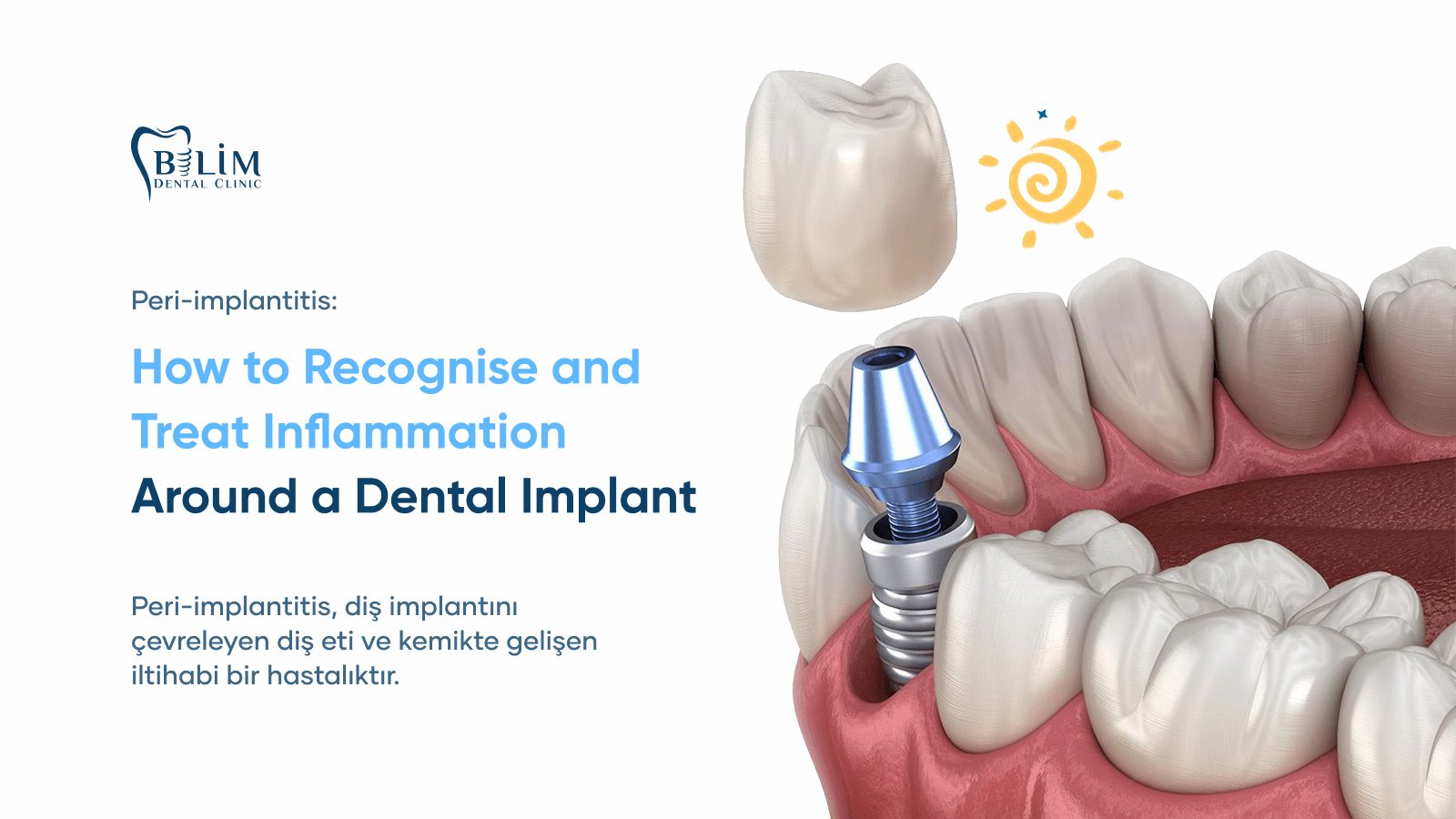
Peri-implantitis is an inflammatory disease affecting the gum and bone that surround a dental implant. Many implant patients assume that because the implant is made of titanium, it can no longer cause problems. The implant itself certainly cannot decay — but the bone and gum that hold it in place can become diseased just like …
Peri-implantitis is an inflammatory disease affecting the gum and bone that surround a dental implant. Many implant patients assume that because the implant is made of titanium, it can no longer cause problems. The implant itself certainly cannot decay — but the bone and gum that hold it in place can become diseased just like the tissues around natural teeth.
What makes peri-implantitis difficult is that it is usually painless. Bleeding or slight swelling is dismissed as something that will pass, while the inflammation quietly moves into the bone. Caught early, it can often be controlled with a thorough professional clean; left alone, it can end with the loss of the implant.
In this article, the dentists at Bilim Dental Clinic in Maltepe, Istanbul explain how inflammation around implants begins, which signs to watch for, what the treatment options are, and — most importantly — how it can be prevented.
What Is Peri-implantitis?
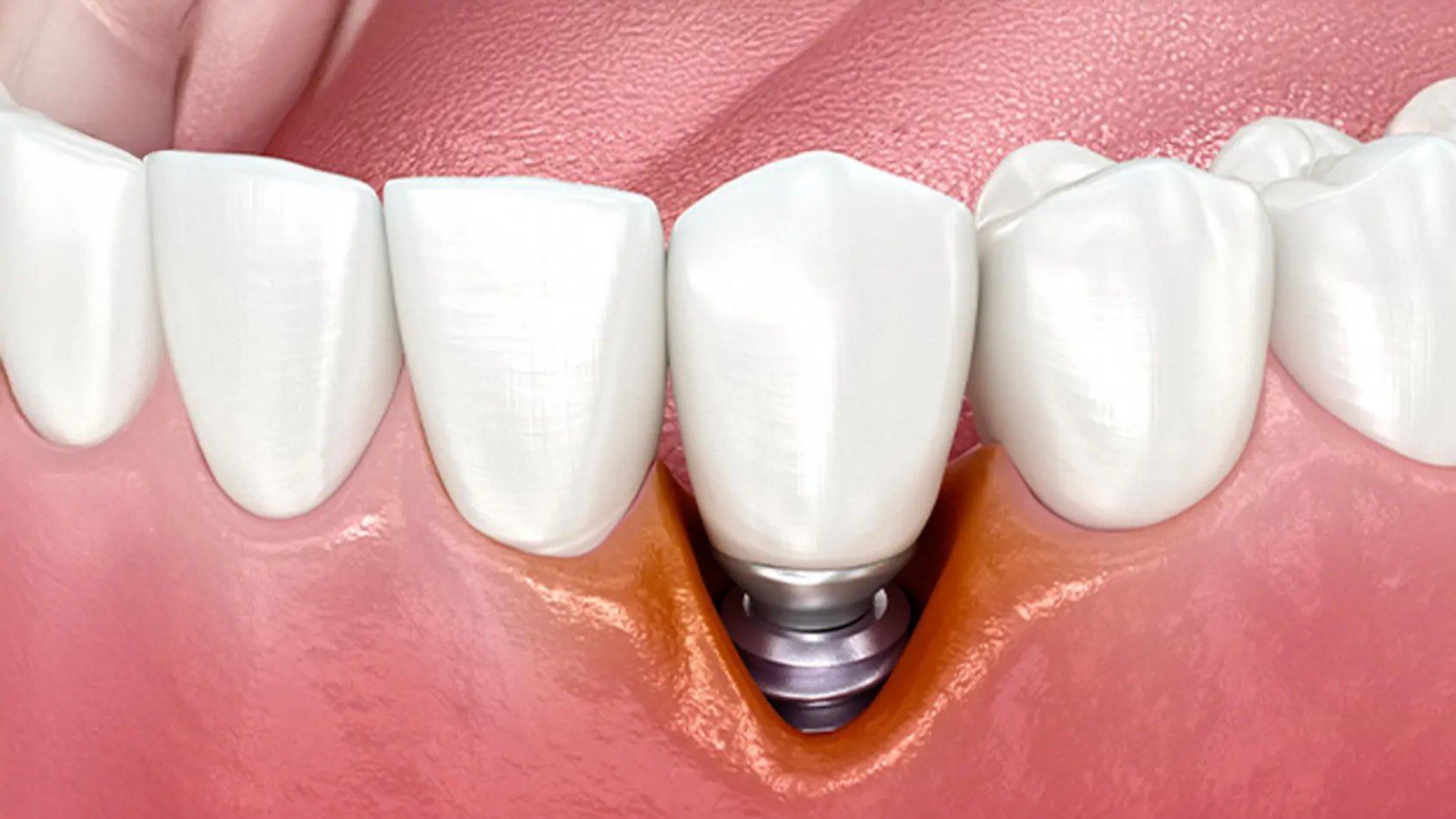
Diseases around implants are described in two stages.
The first is peri-implant mucositis. At this stage the inflammation is limited to the gum around the implant: redness, swelling, and bleeding on brushing, but no bone loss. Think of it as the implant equivalent of gingivitis around a natural tooth. Its most important feature is that it is reversible — with the right treatment and care, the tissues can heal completely.
If mucositis is not treated, the inflammation moves deeper into the bone supporting the implant. This second stage is peri-implantitis. Now it is not only soft tissue being affected; bone is being lost, and lost bone does not grow back on its own.
Research suggests peri-implantitis is more common than many people realise. Long-term follow-up studies report mucositis in more than a third of implant patients, and inflammation with bone loss in a significant minority. The figures vary between studies, but one finding is consistent: the risk rises sharply in patients who do not attend regular maintenance.
Mucositis or Bone Loss? Understanding the Two Stages
| Feature | Peri-implant Mucositis | Peri-implantitis |
|---|---|---|
| Tissue affected | Gum only | Gum and the bone supporting the implant |
| Bone loss | None | Present and progressive |
| Typical signs | Redness, swelling, bleeding on brushing | Bleeding, pus, deep pockets, sometimes gum recession |
| X-ray findings | Normal bone level | Bone loss around the implant |
| Reversibility | Complete healing possible | Progression can be stopped; lost bone can only be partly regained with surgery |
| Main treatment | Professional cleaning and improved home care | Cleaning, surgery where needed, close follow-up |
The table makes the case for early diagnosis very clearly: inflammation caught at the mucositis stage often resolves completely with a simple intervention.
Why Does It Happen? The Main Risk Factors
The underlying cause of peri-implantitis is bacterial plaque. When plaque collects where the implant meets the gum and is not removed, the body responds with inflammation. Several factors speed this process up:
A history of gum disease (periodontitis): one of the strongest risk factors. People who lost natural teeth to gum disease may carry the same susceptibility around their implants. That is why gum health needs to be fully under control before implant placement, and why periodontal treatments are often part of the preparation.
Smoking: reduces blood flow to the gums, slows healing, and masks bleeding — which delays the diagnosis of peri-implantitis.
Inadequate oral hygiene: the area around implants, especially under bridges or fixed prostheses, can be harder to clean than natural teeth.
Missing maintenance appointments: studies consistently show that risk rises significantly in patients who do not attend supportive care.
Poorly controlled diabetes: weakens the immune response and slows tissue healing.
Too little attached (keratinised) gum: a narrow band of firm, immobile gum around the implant makes cleaning harder and leaves the tissue more vulnerable.
Excess cement and poorly designed restorations: cement left beneath the gum around a cemented crown, and restorations that are difficult to clean under, create ideal conditions for bacteria.
Grinding and overloading: not a cause on its own, but combined with inflammation it can accelerate bone loss.
Peri-implantitis Symptoms: 7 Warning Signs
- Bleeding around the implant when brushing or flossing
- Red, swollen gum around the implant
- Pus from around the implant, or a bad taste in the mouth
- Persistent bad breath
- Receding gum with the metal part of the implant becoming visible (a pattern similar to gum recession around natural teeth)
- Tenderness or discomfort when chewing
- A loose implant — usually a sign of advanced disease
The key point is that in peri-implantitis, pain usually comes last. Many patients feel nothing at all despite significant bone loss. The absence of pain does not mean the absence of a problem.
If you have marked facial swelling, a fever, or difficulty swallowing or breathing, go to a hospital emergency department without delay — this can indicate a spreading infection.
How Is It Diagnosed?
Diagnosing peri-implantitis combines a clinical examination with an x-ray.
The dentist first examines the gum around the implant and uses a periodontal probe to measure the depth of the pocket between the implant and the gum. Bleeding or pus on probing indicates active inflammation. The measurements are compared with the baseline values recorded after the implant was restored, which is why those first measurements are so valuable.
An x-ray then shows the level of the bone around the implant. A small amount of bone remodelling in the first period after placement is expected, but continued bone loss after that period points to peri-implantitis. Where needed, three-dimensional imaging shows the shape and depth of the bone loss in more detail.
How Is Peri-implantitis Treated?
The aim of treatment is to remove the bacterial layer from the implant surface, stop the inflammation, and prevent further bone loss. The plan proceeds step by step according to the stage of the disease.
1. Non-Surgical Treatment
This is always the first step. The implant surface and surrounding area are cleaned with instruments that will not damage titanium — special hand instruments, ultrasonic tips, and air-polishing systems. Antiseptic applications, laser-assisted cleaning, or medication may be added where appropriate. If the design of the restoration makes cleaning impossible, it is adjusted, and any cement trapped beneath the gum is removed.
At the mucositis stage, this step is often enough on its own. With bone loss, it reduces inflammation and prepares the tissues for possible surgery.
2. Re-evaluation
A few weeks later the measurements are repeated. If bleeding has stopped and pockets have reduced, the patient moves into a strict maintenance programme. If inflammation persists, surgical options are considered.
3. Surgical Treatment
Surgery involves lifting the gum through a small incision so the implant surface can be seen and cleaned directly. Depending on the pattern of bone loss, different techniques may be used:
- Open debridement: thorough, direct cleaning of the surface under vision
- Resective surgery: smoothing irregular bone margins and reducing deep pockets; in some cases polishing the exposed implant threads (implantoplasty)
- Regenerative surgery: in suitable bone defects, using bone grafts and membranes to regain some of the lost bone
Some gum recession may follow surgery; in the front of the mouth this is discussed with the patient beforehand for aesthetic reasons. Procedures are carried out under local anaesthesia and most patients return to normal life within a few days. You can read more about surgical procedures on our oral and maxillofacial surgery page.
4. Removing the Implant
When bone loss is very advanced and the implant is loose, removal may be necessary. That is not the end of the road: once the area has healed and bone support has been rebuilt where needed, a new implant can often be planned.
No treatment can guarantee a result. Success depends on the stage of disease, the shape of the bone loss, and the patient’s own maintenance habits.
After Treatment: Why Supportive Care Is Essential
Treatment does not end with the final appointment. The single most important factor in the long-term success of peri-implantitis treatment is the maintenance that follows.
In a supportive care programme, patients are usually recalled every three to six months. At these visits, pockets are measured, bleeding is checked, a professional clean is carried out, and x-rays are taken at intervals to monitor bone levels. Home cleaning technique is reviewed every time.
At Bilim Dental Clinic we see implant treatment not as a single surgical procedure but as a follow-up relationship that lasts for years. What determines an implant’s lifespan is the care it receives in the years after placement just as much as the day it was placed.
Diabetes, Smoking, and General Health
Oral health is not separate from the rest of the body. In people whose diabetes is poorly controlled, tissue healing slows and the immune response weakens, which increases the likelihood of peri-implantitis. The relationship works both ways: chronic inflammation in the mouth can also make blood sugar harder to control. For diabetic patients, implant planning is therefore coordinated with their physician.
Smoking complicates things differently. By reducing blood flow to the gums, it suppresses bleeding — the most obvious sign of inflammation. A smoker’s gum can look healthy while bone loss progresses underneath. For these patients, x-rays and pocket measurements matter even more.
Certain medications affecting bone density, a history of radiotherapy, and immunosuppressive treatment are also taken into account. Telling your dentist about your medications and medical history at every check-up is essential for an accurate follow-up plan.
Why the Design of the Restoration Matters
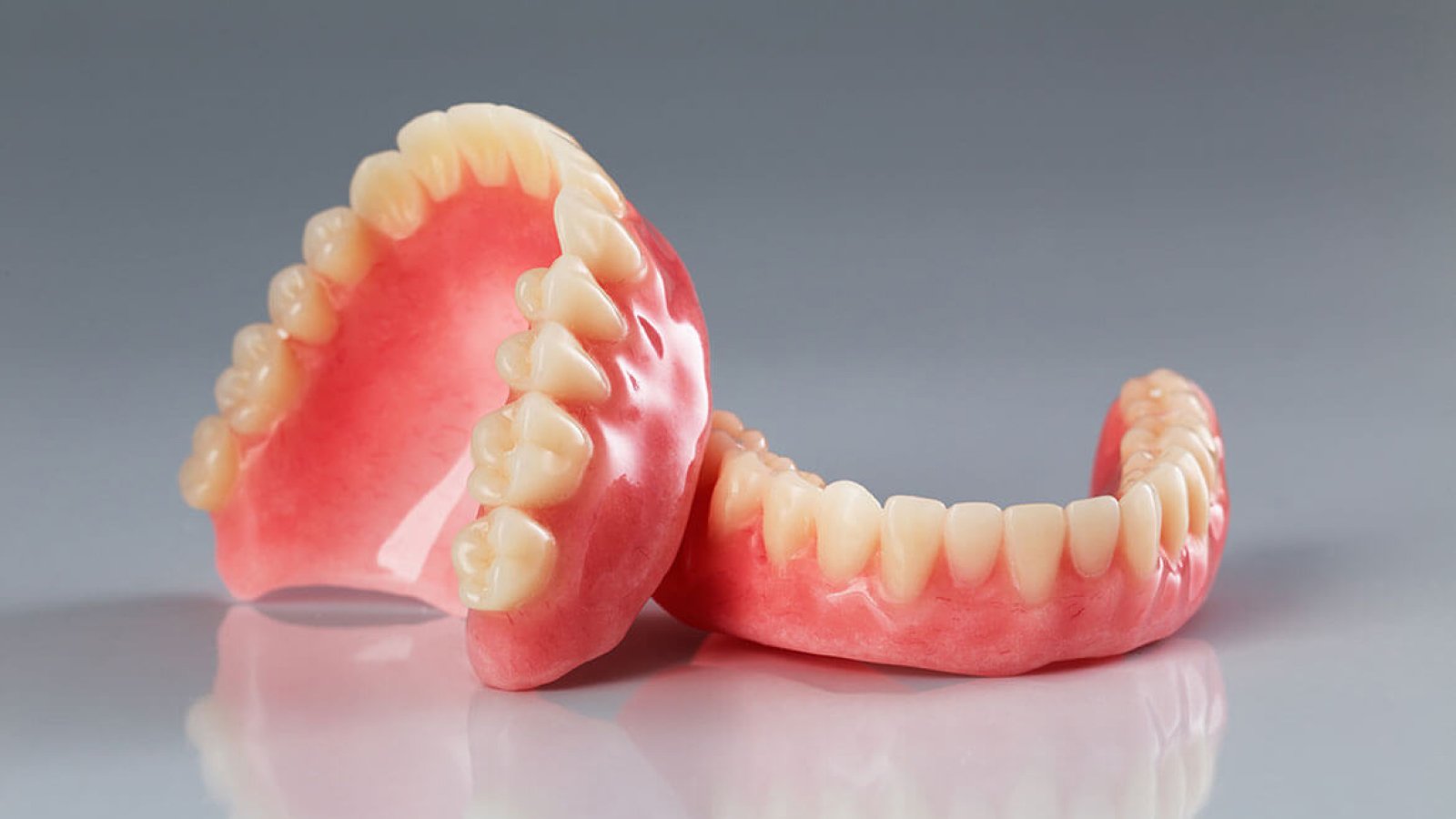
The shape of the crown, bridge, or fixed prosthesis on top of an implant directly affects the risk of disease — a point that is often overlooked, because patients judge a restoration by its appearance and how it chews, not by how easy it is to clean.
A crown that bulges too far at the gum line leaves a space beneath it that brush bristles cannot reach. With larger bridges on several implants, if the space between prosthesis and gum is not designed to admit an interdental brush or water flosser, plaque build-up becomes inevitable. A tiny fragment of cement left under the gum around a cemented crown can cause inflammation for years without being noticed.
So at the restoration stage, talk to your dentist not only about shade and shape but about how you will clean it at home. Screw-retained restorations can be removed for cleaning when needed, which is an advantage in some cases. The right choice depends on the implant’s position, aesthetic expectations, and the anatomy of the area.
Preventing Inflammation Around Implants
The good news is that peri-implantitis is largely preventable.
Preparation before implants: gum disease should be treated first. Smokers are advised to stop, or at least cut down. Diabetes should be under control.
Careful planning: correct implant positioning, adequate bone and gum support, and a cleanable restoration design all directly affect long-term success. Our complete guide to dental implants in Istanbul explains the planning process in more detail.
Daily care at home:
- Brush twice a day with a soft brush, paying particular attention to where the implant meets the gum
- Clean between implants with interdental brushes, implant-friendly floss, or a water flosser
- Clean under fixed restorations and bridges using the method your dentist shows you
- Replace your brush regularly — worn bristles cannot clean the implant margin properly (see our guide to toothbrush replacement and brushing technique)
Regular check-ups: at least once a year even without symptoms, and more often if you are in a higher-risk group.
A night guard if you grind: it reduces excessive load on the implant and restoration.
A Monthly Self-Check for Implant Patients
A few minutes in front of the mirror once a month helps you notice problems early:
- Is the gum around the implant the same pink as elsewhere?
- Does it bleed when you brush or use an interdental brush?
- Is there a bad taste or discharge when you press gently near the implant?
- Has a metal edge appeared at the gum line that you had not seen before?
- Does that area feel different, tender, or noisy when you chew?
- Is the restoration loose, moving, or chipped?
If the answer to any of these is yes, book an appointment rather than waiting for your next routine visit. This checklist does not replace a professional examination — pocket measurements and x-rays can only be done in the clinic — but it serves as an early warning.
Frequently Asked Questions
Is bleeding around an implant normal?
No. Healthy gum around an implant does not bleed when brushed. Bleeding indicates at least mucositis and should be assessed.
Can peri-implantitis be cured completely?
Complete healing is possible at the mucositis stage. Once bone loss has begun, progression can usually be stopped, and some lost bone can be regained with surgery in suitable cases.
My implant doesn’t hurt — could there still be a problem?
Yes. The disease usually progresses without pain, which is exactly why regular check-ups matter.
I smoke — can I still have implants?
Smoking is not an absolute barrier, but it significantly raises the risk of both healing problems and inflammation around the implant. Your dentist will assess your individual situation.
How often should I have check-ups?
If you are not in a risk group, once or twice a year may be enough. If you have a history of gum disease, smoke, or have been treated for implant inflammation before, every three to six months is recommended.
Can an electric toothbrush damage an implant?
No. Used correctly, electric brushes are effective around implants. The right head and light pressure are what matter.
How long does peri-implantitis treatment take?
Non-surgical treatment is usually completed in one or a few sessions. If surgery is needed, the process — including healing and re-evaluation — can take several months.
Can it spread to my other implants?
The same risk factors can affect every implant in the mouth, so when a problem is found at one implant, the others are examined carefully too.
Does the implant brand affect the risk of peri-implantitis?
Among quality, evidence-based systems, the main determinants of risk are oral hygiene, regular maintenance, and individual risk factors rather than the brand.
How is the cost of treatment determined?
It depends on the stage of the disease, the number of implants affected, and whether surgery is required. You will receive a transparent plan after examination.
Peri-implantitis Treatment and Implant Care in Maltepe
An implant is a long-lasting and comfortable solution for missing teeth, and that lifespan is protected by regular care and early diagnosis. In this article we answered the questions our implant patients ask most: what bleeding means, the risk factors, non-surgical and surgical treatment, and daily care at home. For an overview of the whole process, visit our implant treatment page.
At our clinic, we provide services in all areas of oral and dental health — from aesthetic dentistry and implant treatments to orthodontics and prosthetic applications — using modern technology and evidence-based, scientific approaches. Our experienced team of dentists creates a personalized treatment plan for every patient, aiming to build healthy, natural, and aesthetic smiles.
The dentists who will accompany you throughout this process:
- Dt. Ali Enes Öztürk
- Dt. Salman Taştan
- Dt. Hüseyin Kaya
- Uzm. Dt. Burak Güleç (Orthodontics Specialist)
- Dt. Cem Karaman
- Dt. Ayşe Sizer Çakar
- Dt. Zeynep Ece Okur (Pediatric Dentist)
If you notice bleeding, swelling, or tenderness around an implant, we invite you to visit Bilim Dental Clinic on Bağdat Caddesi in Maltepe, Istanbul for an examination. You can follow our latest updates on our Instagram account.
WhatsApp: +90 538 977 89 01